Light Springlight · warm
Light first, leaning warm. Peach, butter, aqua and light coral; black and heavy earth tones overpower.
Undertone, depth and clarity decide which colors make your skin look clear and rested. Find your season once, use it for clothes, makeup and hair.
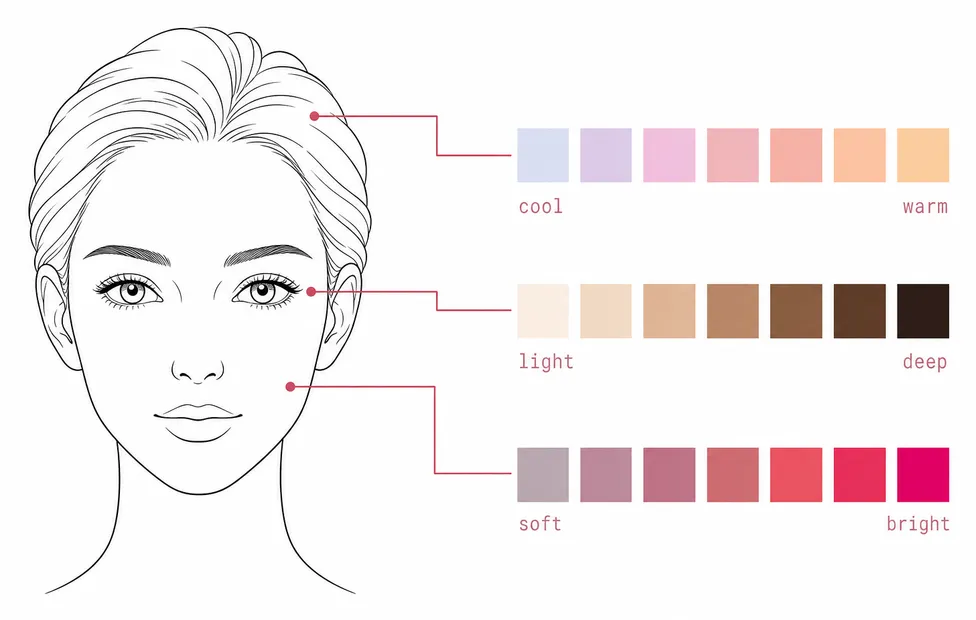
Does your coloring lean cool (pink, blue) or warm (golden, peach)? Veins, metals and white against cream are the quick tests.
How light or deep are your hair, skin and eyes overall? Light coloring is overwhelmed by black; deep coloring makes pastels look faded.
Do clear, saturated colors make you look vivid, or do dusty, greyed colors look more natural on you?
How far apart are your hair, skin and eyes? High contrast carries bold color pairings; low contrast looks best in blended tones.
An example Soft Summer palette. Take the color season quiz to see yours.
The twelve-season system starts with four families and splits each into three. The first word names your strongest characteristic: Light, Deep, Soft, Bright, or True when temperature dominates.
Light first, leaning warm. Peach, butter, aqua and light coral; black and heavy earth tones overpower.
Warm first and clear. Golden yellow, coral, warm turquoise and kelly green.
Bright first, leaning warm. Vivid coral, clear aqua and royal blue with crisp white.
Light first, leaning cool. Powder pink, lavender, powder blue and soft grey.
Cool first, gently softened. Rose, raspberry, cornflower and slate blue.
Soft first, leaning cool. Mauve, dusty rose, sage grey and slate. Compare it with Soft Autumn in this guide.
Soft first, leaning warm. Camel, olive, sage, soft terracotta and muted teal.
Warm first and rich. Rust, mustard, olive, pumpkin and deep teal.
Deep first, leaning warm. Chocolate, brick, forest green and dark teal.
Deep first, leaning cool. Black, burgundy, sapphire and emerald with icy accents.
Cool first and clear. True red, fuchsia, royal blue, black and pure white.
Bright first, leaning cool. Hot pink, electric blue, emerald and stark contrast.
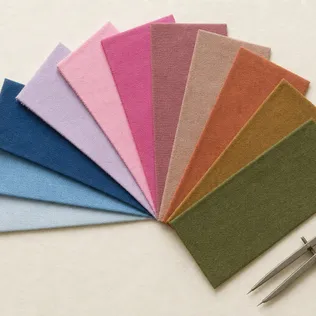
What seasonal color analysis is, where it comes from, and how undertone, depth and clarity place you in one of twelve seasons, each with its own palette.
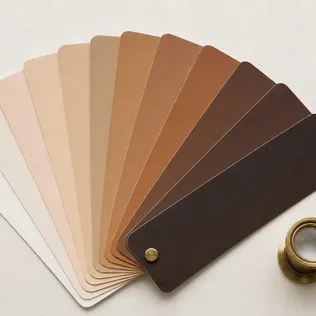
Find your skin undertone with four at-home tests: veins, metals, white vs cream and your natural coloring, plus which ones are reliable and which ones mislead.
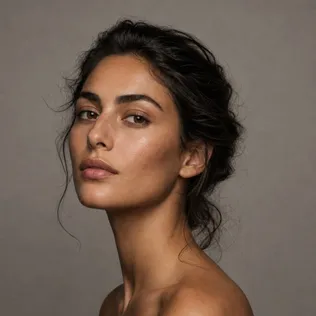
Olive skin has a green-grey cast that confuses warm-vs-cool tests. How to recognize an olive undertone, the colors that flatter it and the ones that turn it sallow.
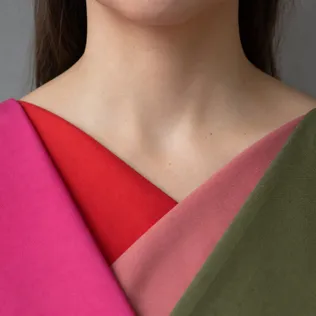
Soft Summer and Soft Autumn share the same muted softness and differ only in temperature. Three side-by-side drape tests settle it with scarves you already own.
It is a styling system, not a scientific measurement. Its axes come from real color theory (hue, value and chroma, as in the Munsell system), but the twelve seasons are a practical grouping, not a law of nature.
A quiz gets you close, usually to the right family and often to the exact season. Draping in daylight with real fabric remains the most reliable test.
Your undertone stays the same. Depth and contrast can shift with a tan or greying hair, which can move you to a neighbouring season.