Browsarch · peak · tail
A higher arch lifts and lengthens; a straighter brow adds width. Match brow shape to face shape with the brow guide.
Face shape and color season set the frame. Brows, eyes and hair decide the details: where the eye lands first and which colors look intentional on you.
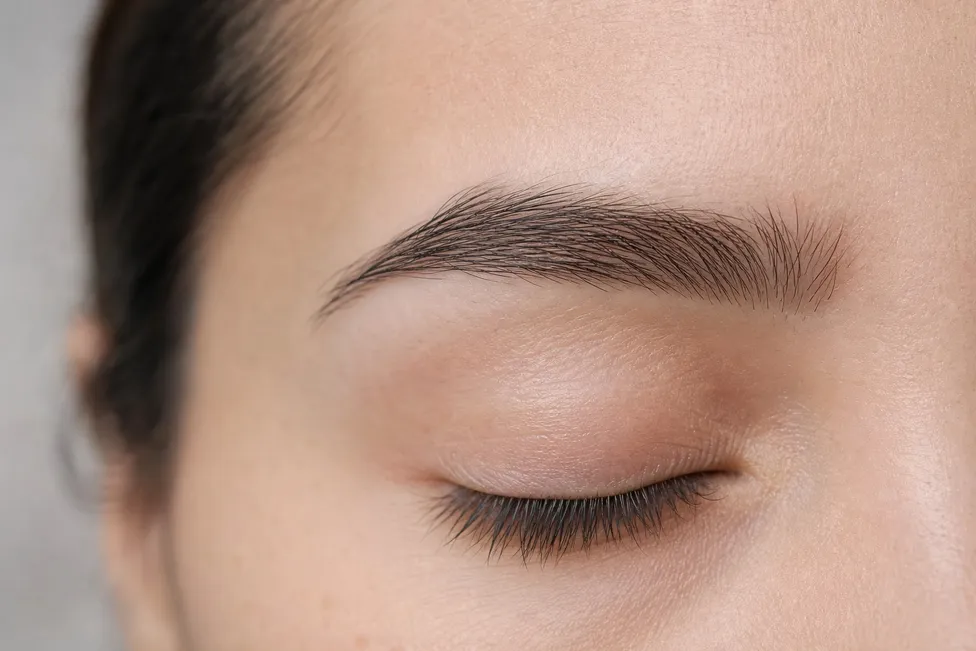
Note the arch height, where the peak sits, and how far the tail extends. Brows frame the eyes and can add width or length to the face.
Look at your iris in daylight: is it clear or blended, cool or warm? Repeating its color near the face makes the eyes look brighter.
Check the tone in sunlight. Ashy hair supports cool colors; golden or copper glints support warm ones.
Hold gold and silver against your bare neck. One usually makes the skin look clearer; that metal follows your undertone.
Each of these features can tip a neutral palette one way or the other, or make a frame or cut look deliberate.
A higher arch lifts and lengthens; a straighter brow adds width. Match brow shape to face shape with the brow guide.
Clear eyes support saturated color; blended, greyed eyes look best with softer tones. Eye color is one of the inputs in the color season quiz.
Hair is the largest area of color near your face. When you change it, your best clothing colors can shift with it.
Metal is the quickest undertone test you can do at home. Read gold or silver for how to decide when both look fine.
How to map your brows with a pencil and a mirror, and which arch height, peak position and tail length suit oval, round, square, oblong, heart and diamond faces.
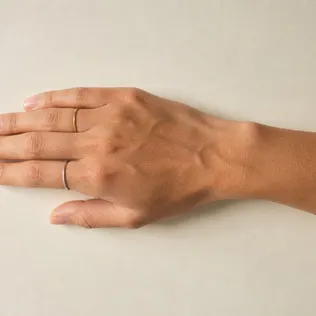
Whether gold or silver suits you depends on your undertone, your hair and your contrast. A two-minute test, and what to do when both look fine.
Usually one to two shades lighter or darker than your hair looks most natural. Very light hair often needs slightly deeper brows to keep definition.
Yes. Neutral undertones carry both, and mixed metals look deliberate when one piece links them, such as a two-tone watch or chain.