A hair color chart describes any shade with two words. Level is how dark or light it is, from 1 (black) to 10 (lightest blonde), and tone is which way it leans: ash, neutral, golden or copper. Once you know yours, choosing a color that suits you comes down to four decisions. Your skin’s undertone picks the tone, your contrast picks the level, your eye color suggests the accents, and your face shape decides where the light goes.
Level numbers and the rules below are salon and styling conventions. No standard sets them, brands differ by a step or a word, and the swatches on this page are screen approximations. Use the chart for the order of the steps and a salon swatch book for the final call.
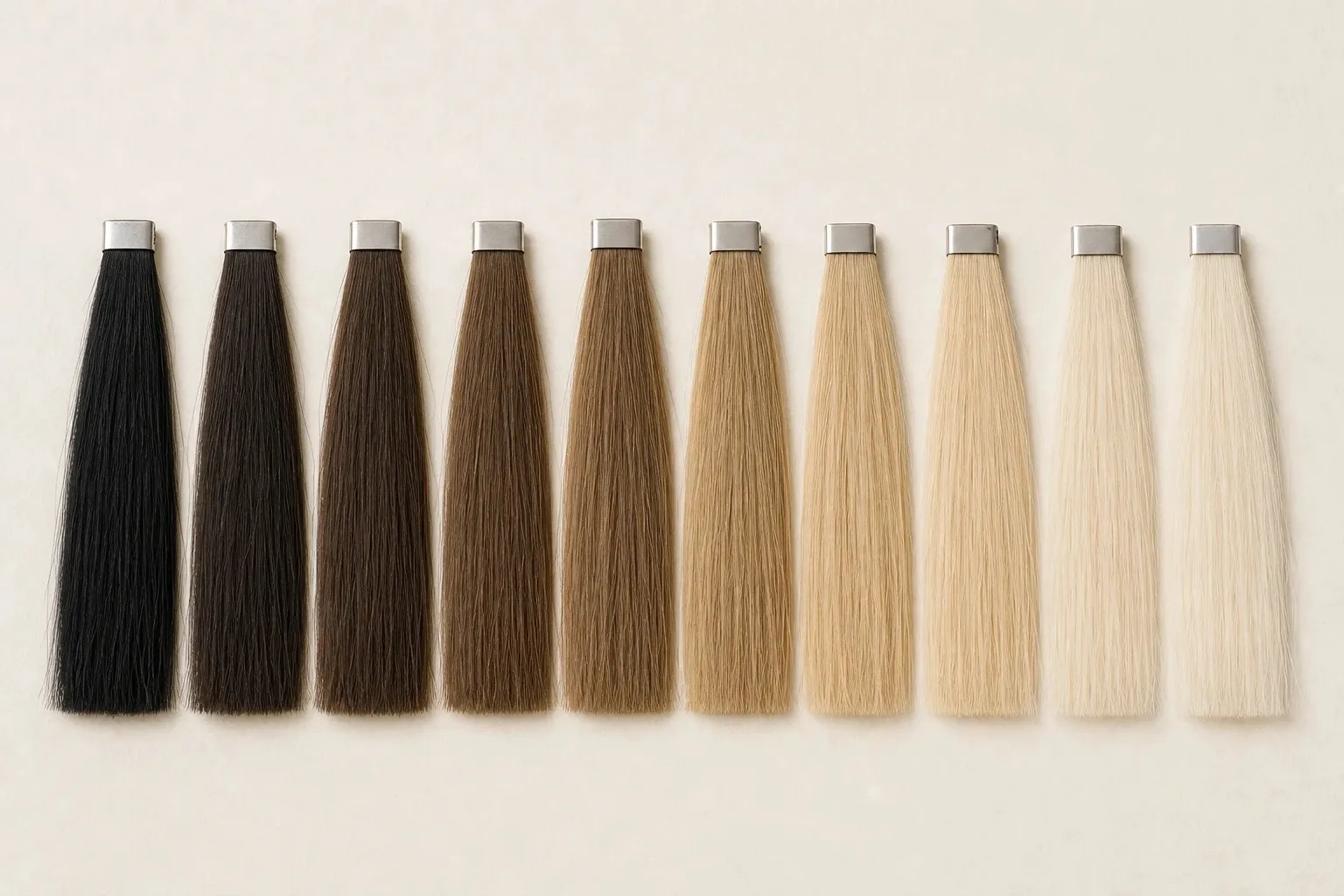
The hair color chart
- 1 Black
- 2 Darkest brown
- 3 Dark brown
- 4 Medium brown
- 5 Light brown
- 6 Dark blonde
- 7 Medium blonde
- 8 Light blonde
- 9 Very light blonde
- 10 Lightest blonde
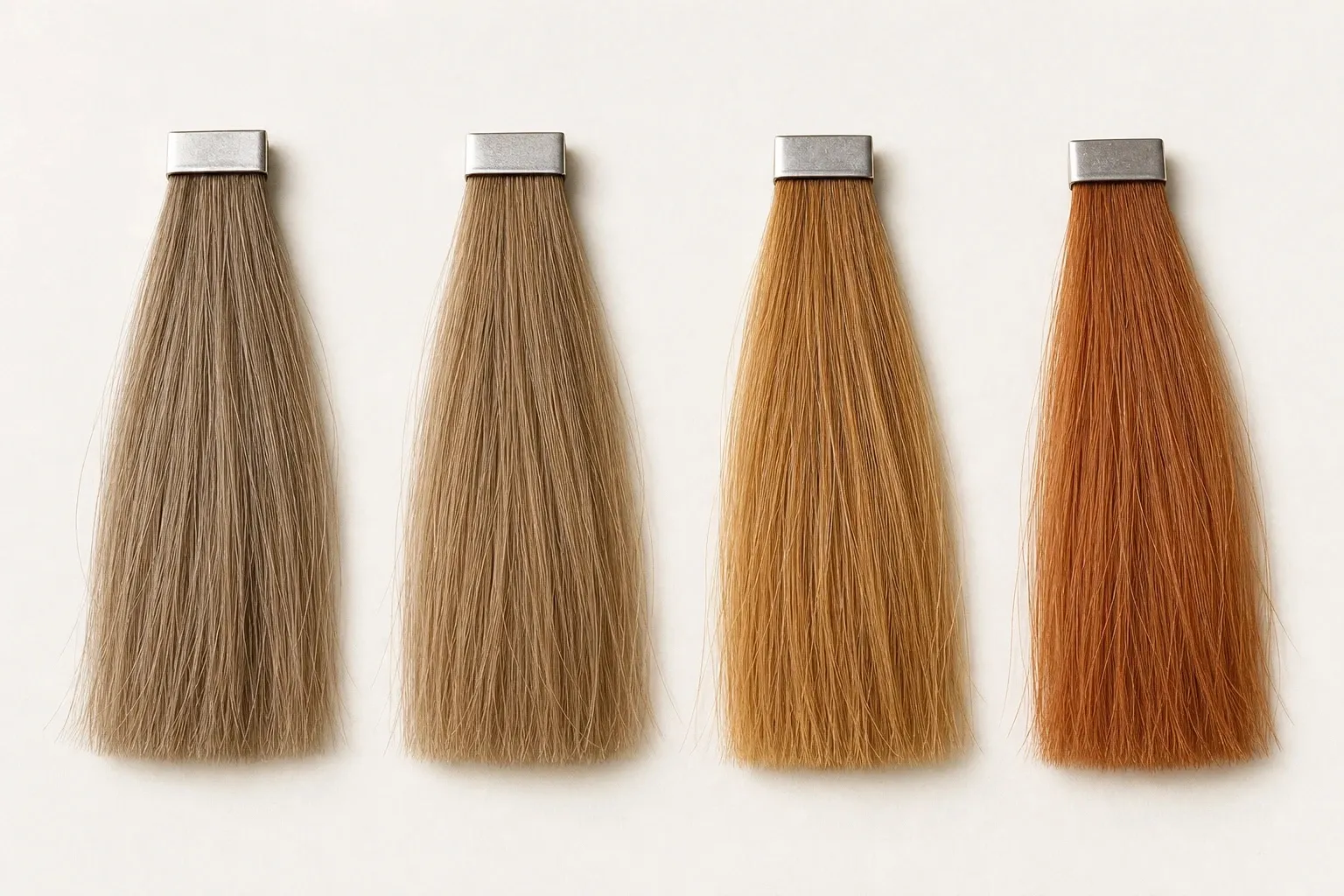
Read the strip from left to right and only one thing changes, which is depth. Colorists call it level, so you’ll also see this called a hair level chart. A higher number is always lighter. That makes level 5 darker than level 6, and a box marked 4 a medium brown.
| Level | Usual name | How it looks |
|---|---|---|
| 1 | Black | Black in every light, with no brown showing even in sun |
| 2 | Darkest brown | Looks black indoors and shows brown in direct sun |
| 3 | Dark brown | Clearly brown, and very deep |
| 4 | Medium brown | A mid brown, neither deep nor light |
| 5 | Light brown | Brown with lighter glints in the sun |
| 6 | Dark blonde | The border shade: brown indoors, blonde in the sun |
| 7 | Medium blonde | Clearly blonde, with some depth |
| 8 | Light blonde | A bright blonde |
| 9 | Very light blonde | Very little depth, even at the root |
| 10 | Lightest blonde | The palest blonde, close to white |
Tone is the second word, and it applies at every level.
- Ash is the cool side, with a gray or beige cast and silvery glints.
- Neutral sits in the middle and shows neither cool nor warm glints.
- Golden is warm, with yellow-gold glints. Honey and caramel are golden tones.
- Copper and red are the warmest. Red is a tone, which is why a redhead has a level like everyone else.
What is my hair color?
You need daylight, a sheet of white paper, a hand mirror and dry hair. Wet hair looks darker than it is, and lamp light adds yellow.
- Find the right hair. Read the roots. Ends lighten in the sun and with wear, and dyed lengths only tell you about the dye. If your hair is colored, use the regrowth. If you’re mostly gray, go by old photos taken outdoors.
- Isolate it. Take a section from the back of your head or the nape, where the sun reaches least, and lay it flat on the white paper by a window. The paper takes your skin and your clothes out of the comparison.
- Read the level. Hold the chart beside the section and find the swatch of the same depth. Can’t choose between two? Take a phone photo of the hair next to the chart and switch it to black and white. With the color gone, depth is the only thing left to compare.
- Read the tone. Now look at the same section in direct sun. Silvery or flat glints mean ash, yellow-gold ones mean golden, orange or red ones mean copper, and a little of everything means neutral.
Put the two together and you have your color in the form “level 4, neutral” or “level 7, ash”. Screens vary, so treat your reading as good to within a level.

That starting point matters for everything below. Your natural color is the best evidence of what suits you, so most good changes move a step or two along its direction.
Hair color for your skin tone
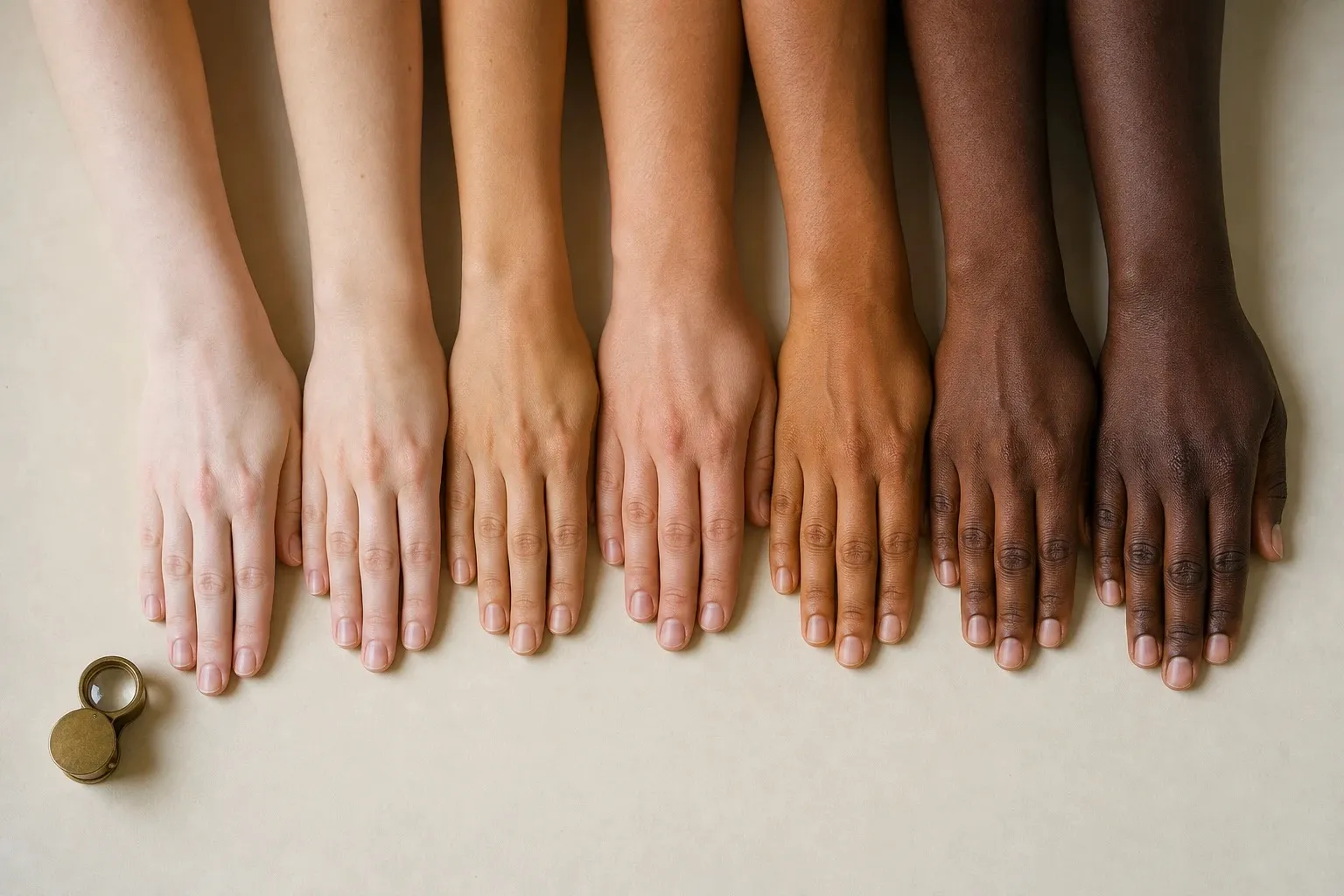
Skin makes two of the four decisions. Its undertone picks the tone of your hair, and its depth, compared with your hair, sets the contrast you’re used to.
Undertone picks the tone. Cool skin sits best with ash, beige and cool brown. Warm skin sits best with golden, honey, caramel and copper. If you don’t know your undertone yet, the skin tone chart finds it in four tests.
| Undertone | Tones to choose | Examples | Handle with care |
|---|---|---|---|
| Cool | Ash, beige, cool | Ash blonde, beige blonde, ash brown, cool dark brown, blue-black, cool burgundy | Golden, copper, orange-caramel |
| Warm | Golden, honey, copper | Golden blonde, honey, caramel, golden brown, copper, auburn | Ash, blue-black, icy platinum |
| Neutral | Neutral, beige, soft | Beige blonde, mushroom brown, soft brown, soft caramel | Icy platinum, bright copper, jet black |
| Olive | Neutral to soft warm | Soft brown, chocolate, muted caramel, soft bronze | Very ashy shades, brassy yellow-blonde |
The olive row is narrow because of the green-gray cast in olive skin. Very ashy hair can turn it gray, and yellow-gold blonde can make it look sallow. Neutral and olive skin both do best with hair that doesn’t push hard either way, and the olive skin tone guide goes further.
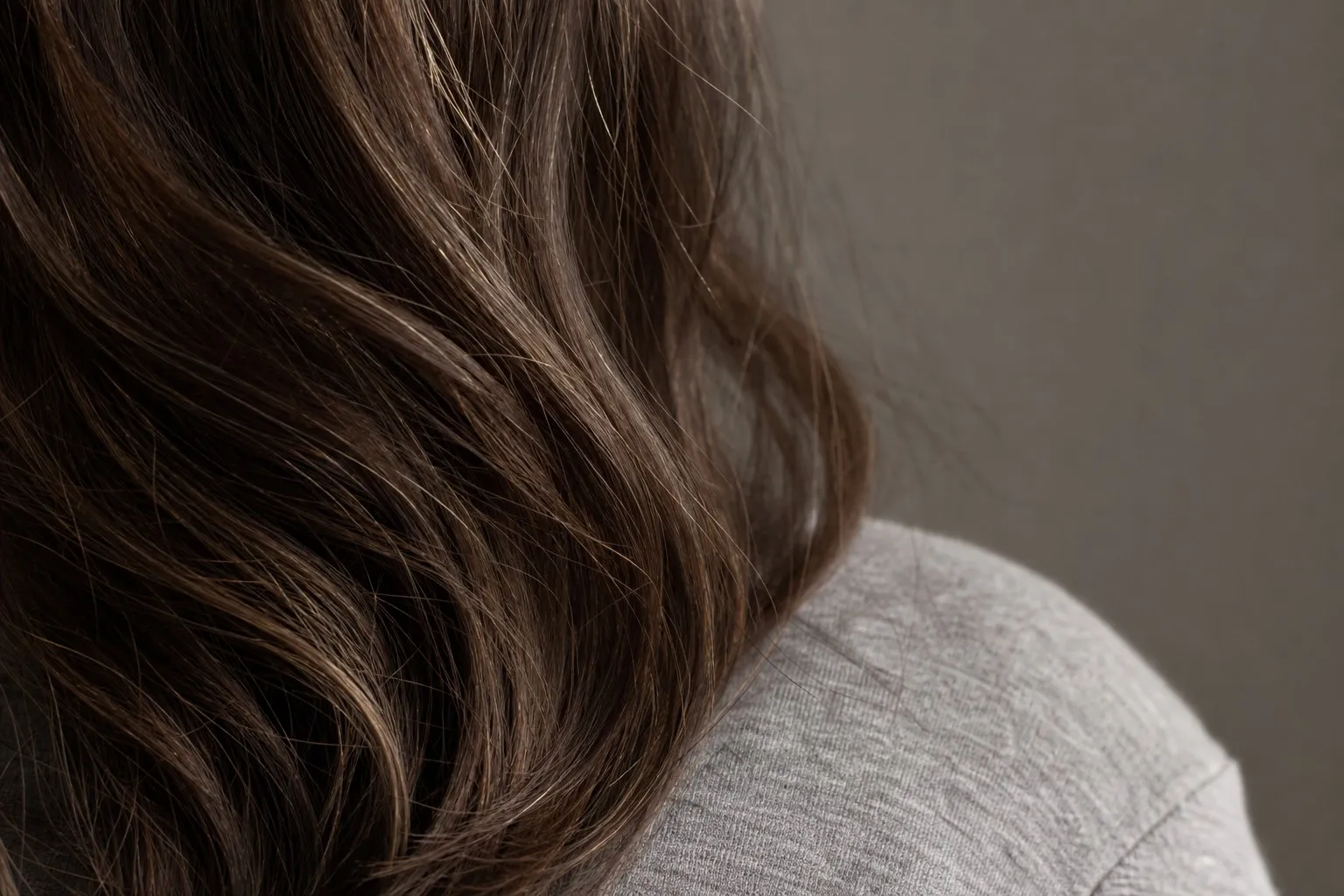
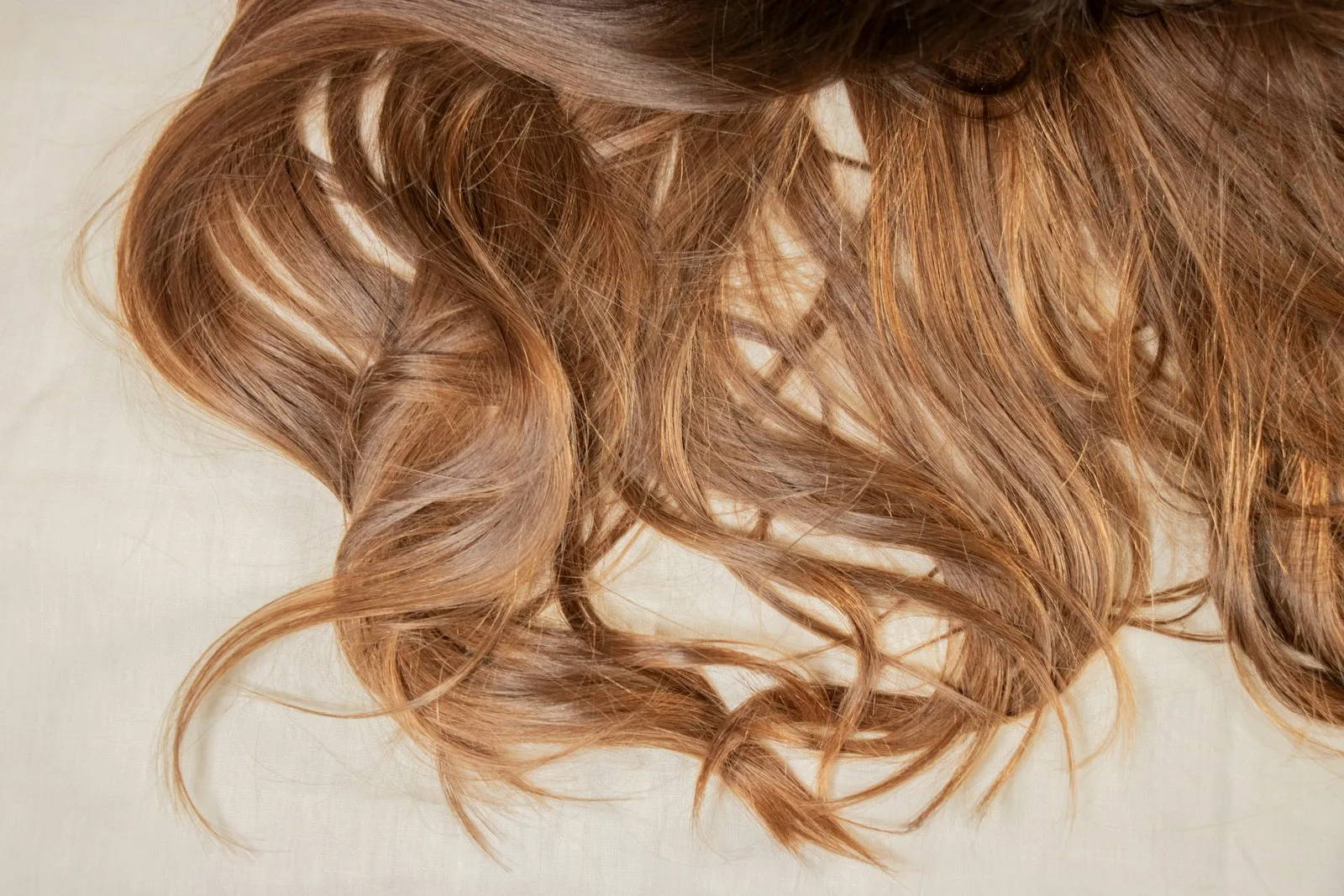
Contrast picks the level. Compare your natural hair level with the depth of your skin. Level 2 hair beside fair skin is a strong contrast. Level 7 hair beside light skin is a low one, and so is level 2 hair beside deep skin. Your face is balanced around that gap, which is why staying within a level or two of your own color is the safe range.
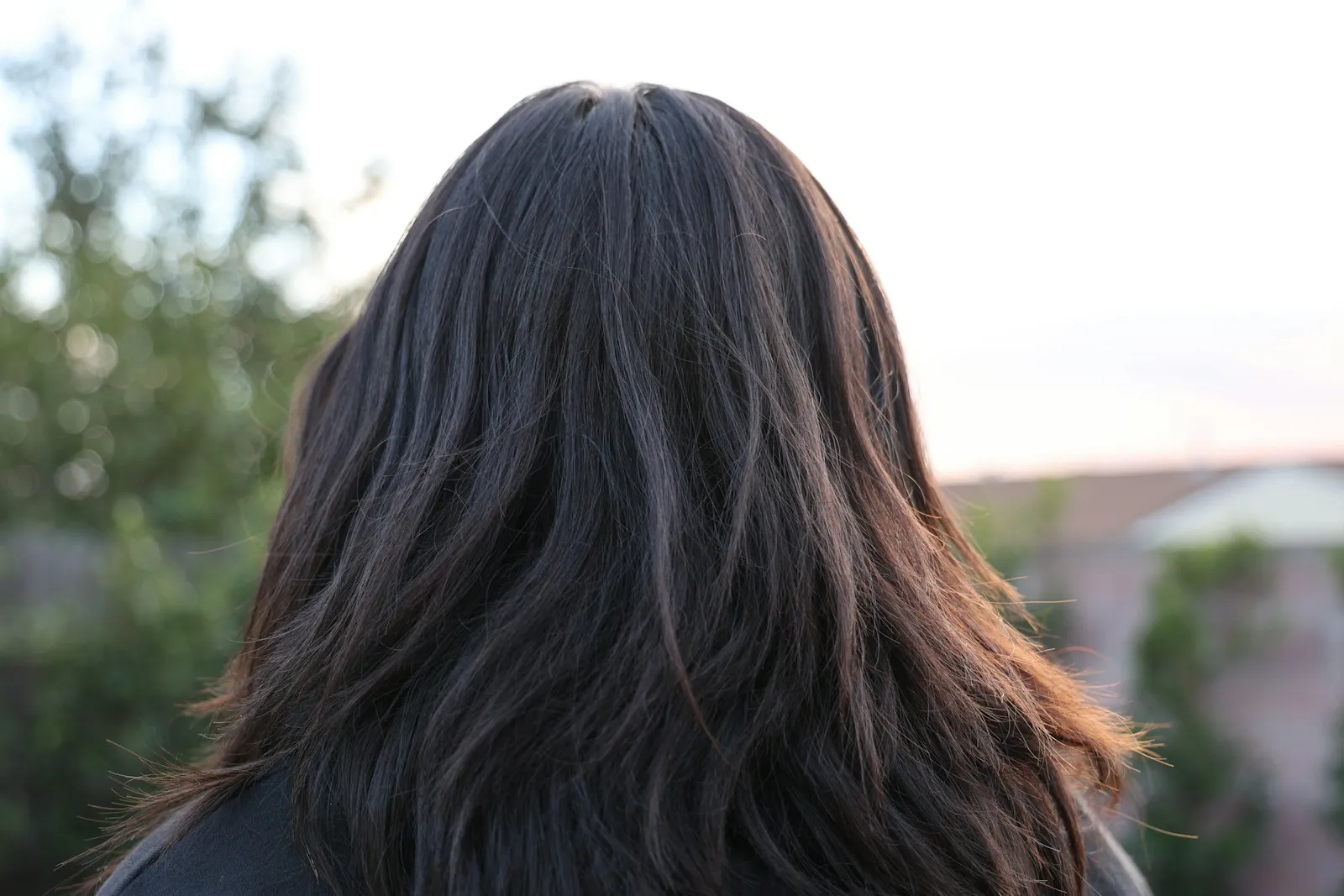

Move further and the gap changes. Hair much darker than your natural color raises the contrast on light skin, and shadows on the face look deeper. Hair much lighter lowers it, and brows and eyes can fade. On deep skin it works the other way round, since very light hair widens the gap. None of this forbids a big change. It tells you what the change will ask for, which is usually stronger brows and makeup, or stronger colors near the face.
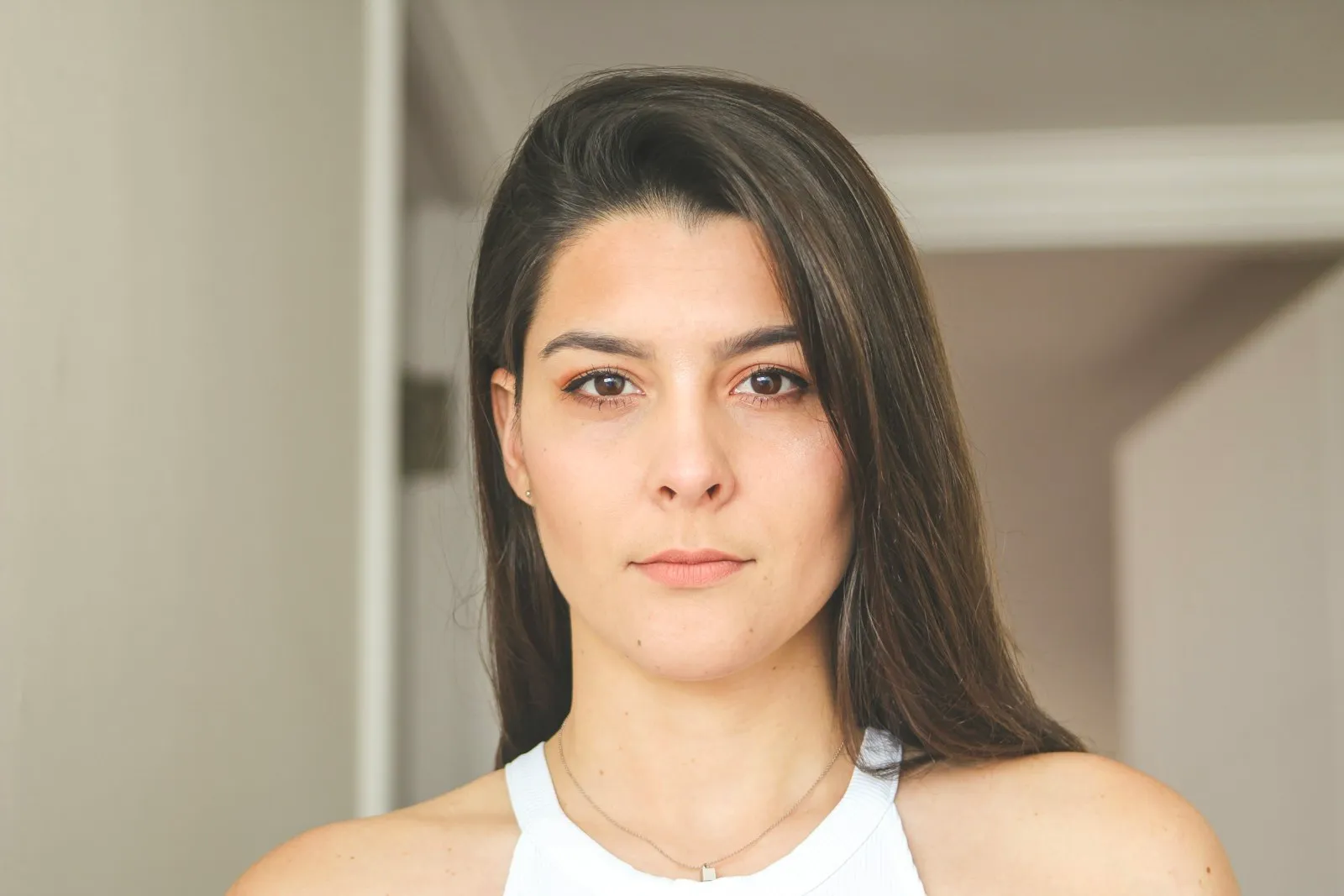
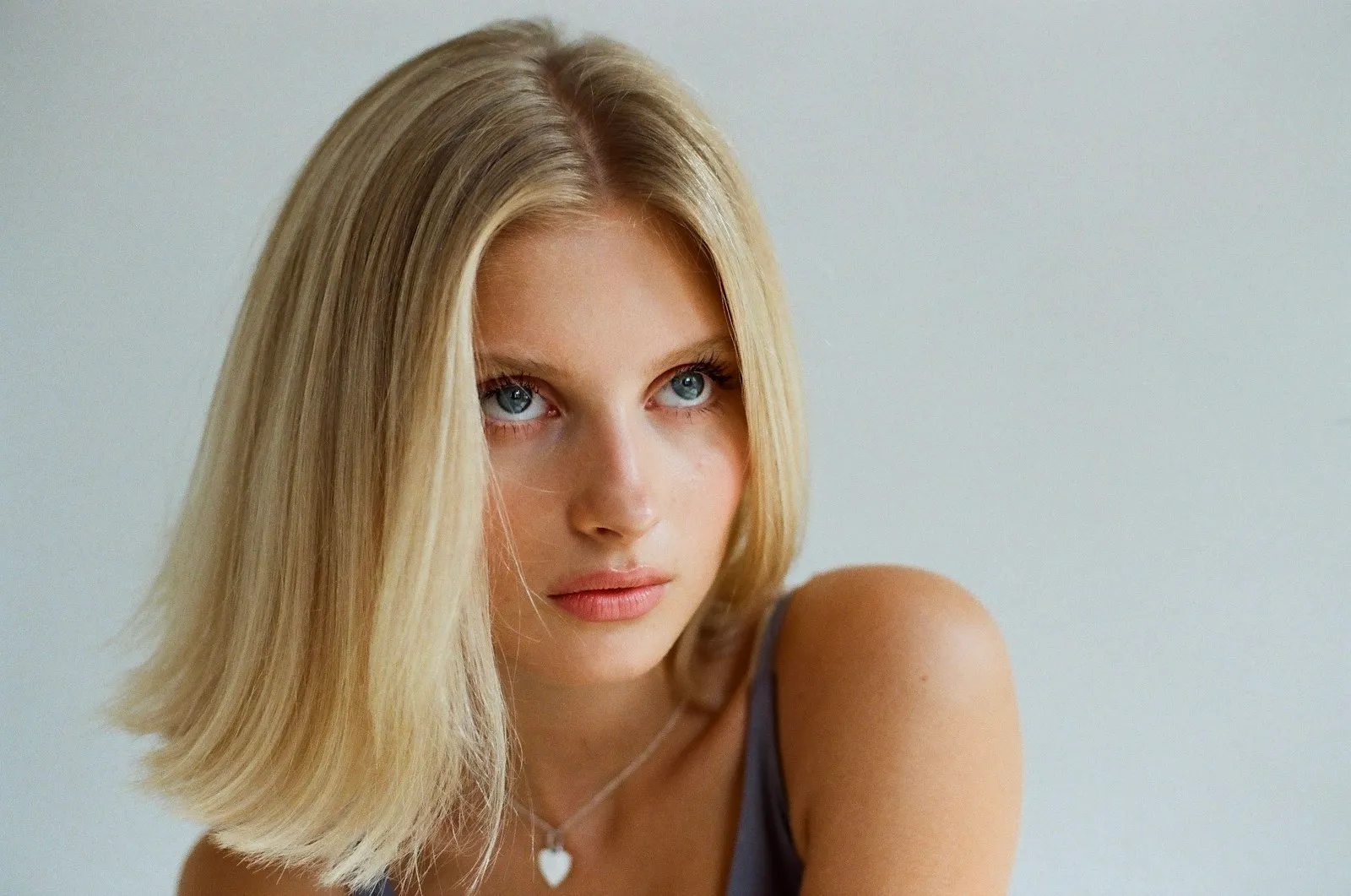
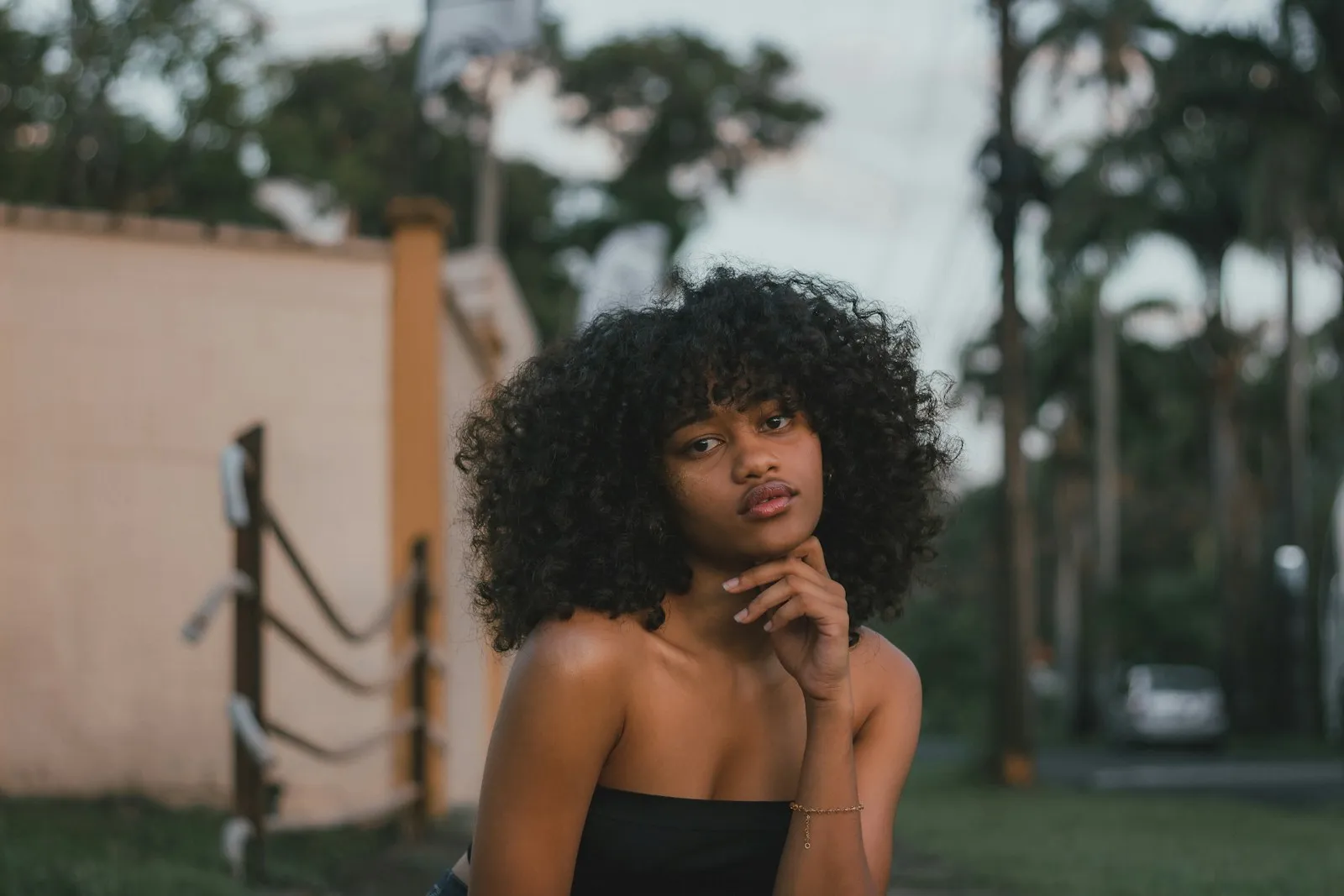
Fair or pale skin shows these effects most, because almost every level contrasts with it. If your fair skin is cool, look at ash and beige blondes, ash brown and cool dark brown. If it’s warm, look at golden blonde, strawberry blonde and copper. Jet black gives the strongest contrast there is on fair skin, so hold a black scarf around your face in daylight before you commit.
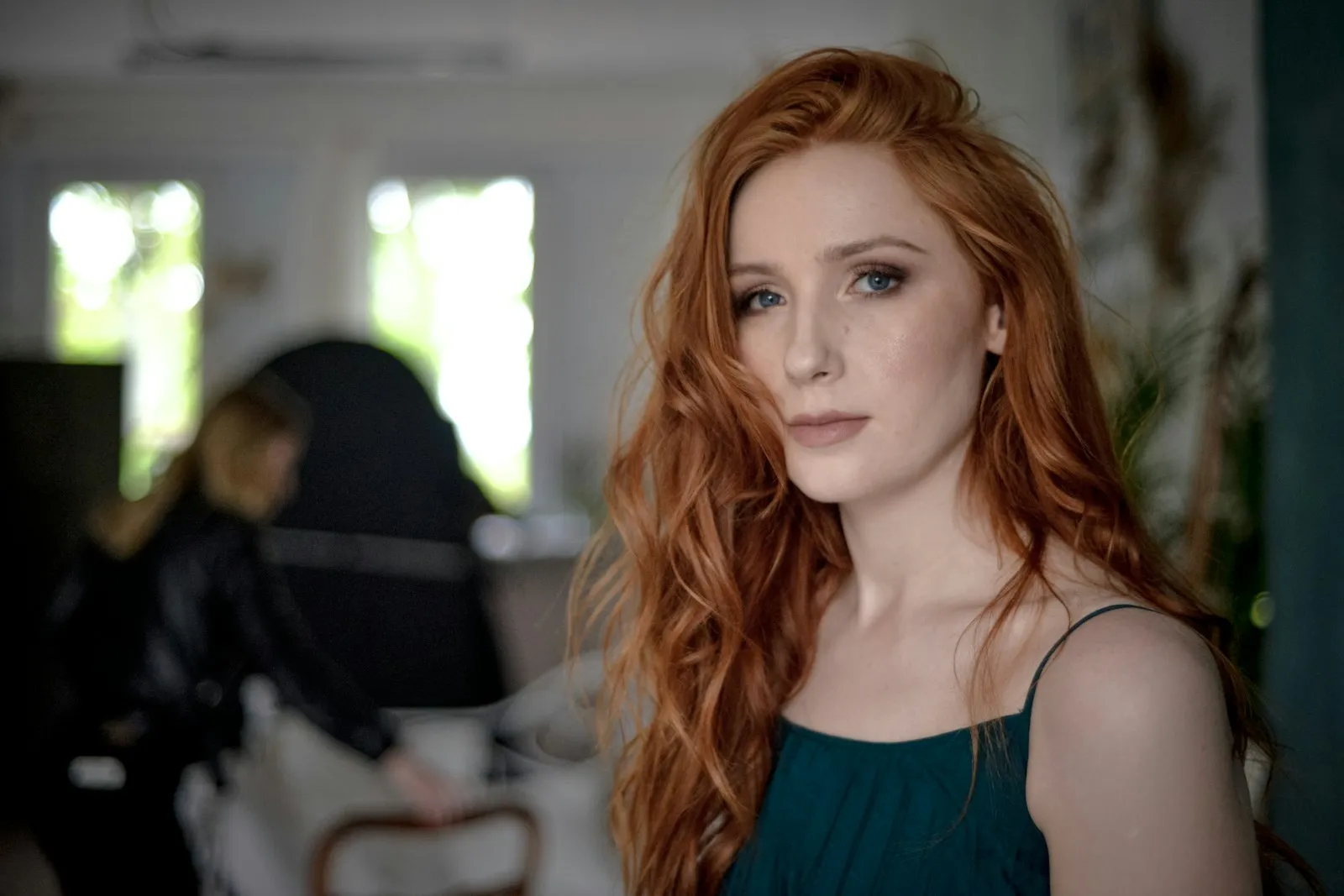

Three quick checks confirm the tone before anyone mixes a formula. Do them in daylight and watch your skin, since the skin is what changes.
- The sunlight glint. Look at your natural hair in a hand mirror by a window. Ashy or silvery glints point cool, and golden or copper ones point warm.
- The swatch at the hairline. Hold an ash and a golden swatch of the same level against your hairline in turn. The right tone evens out the skin, and the wrong one makes it look red, yellow or gray.
- The hood test. Wrap a scarf over your hair, first camel or golden beige, then cool taupe or gray-beige. It imitates a large area of hair color at the edge of your face.
Two out of three on the same side is a clear answer. If they split, you’re probably neutral, and the neutral row is your safest start.
Hair color for your eye color
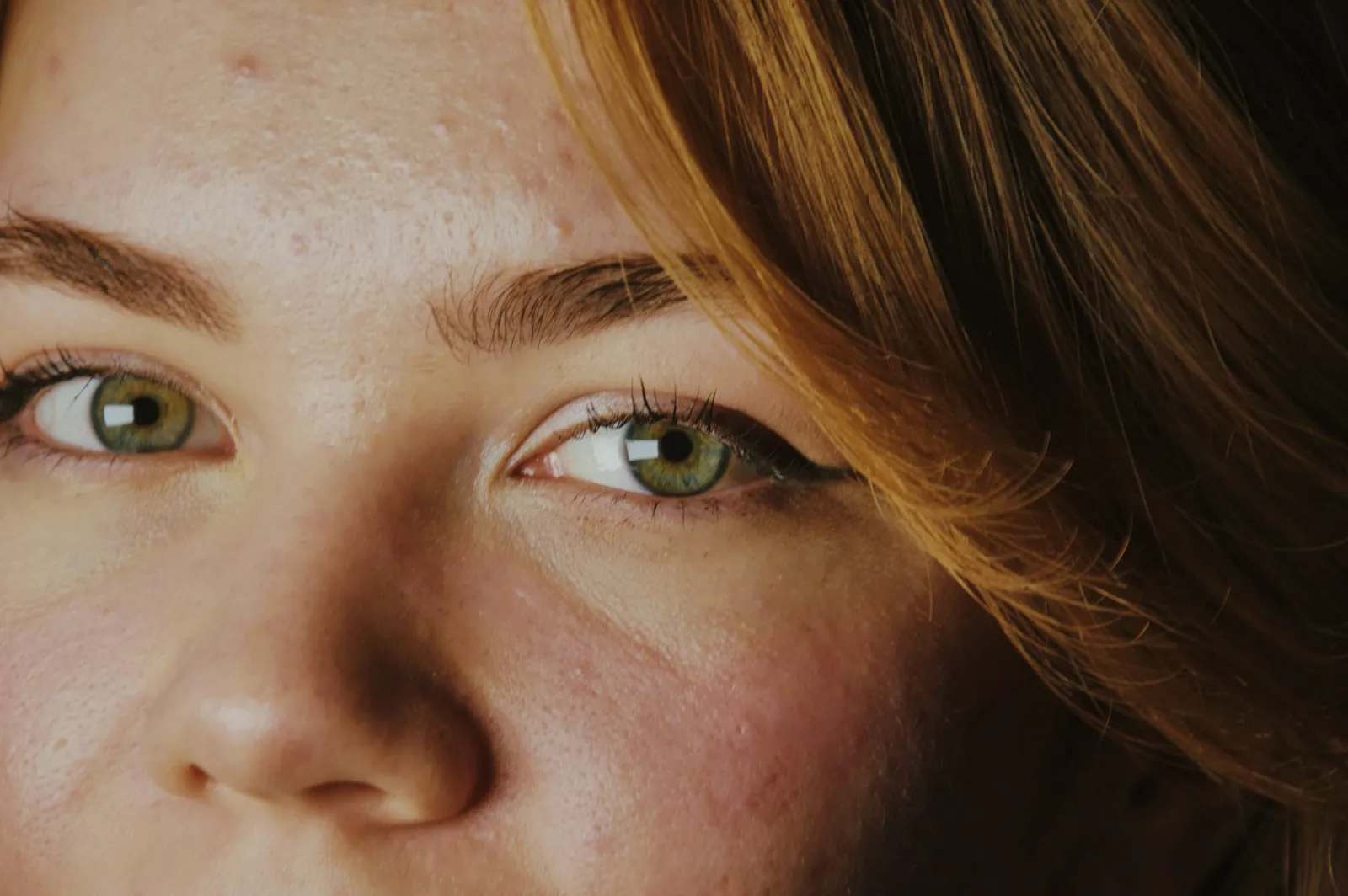
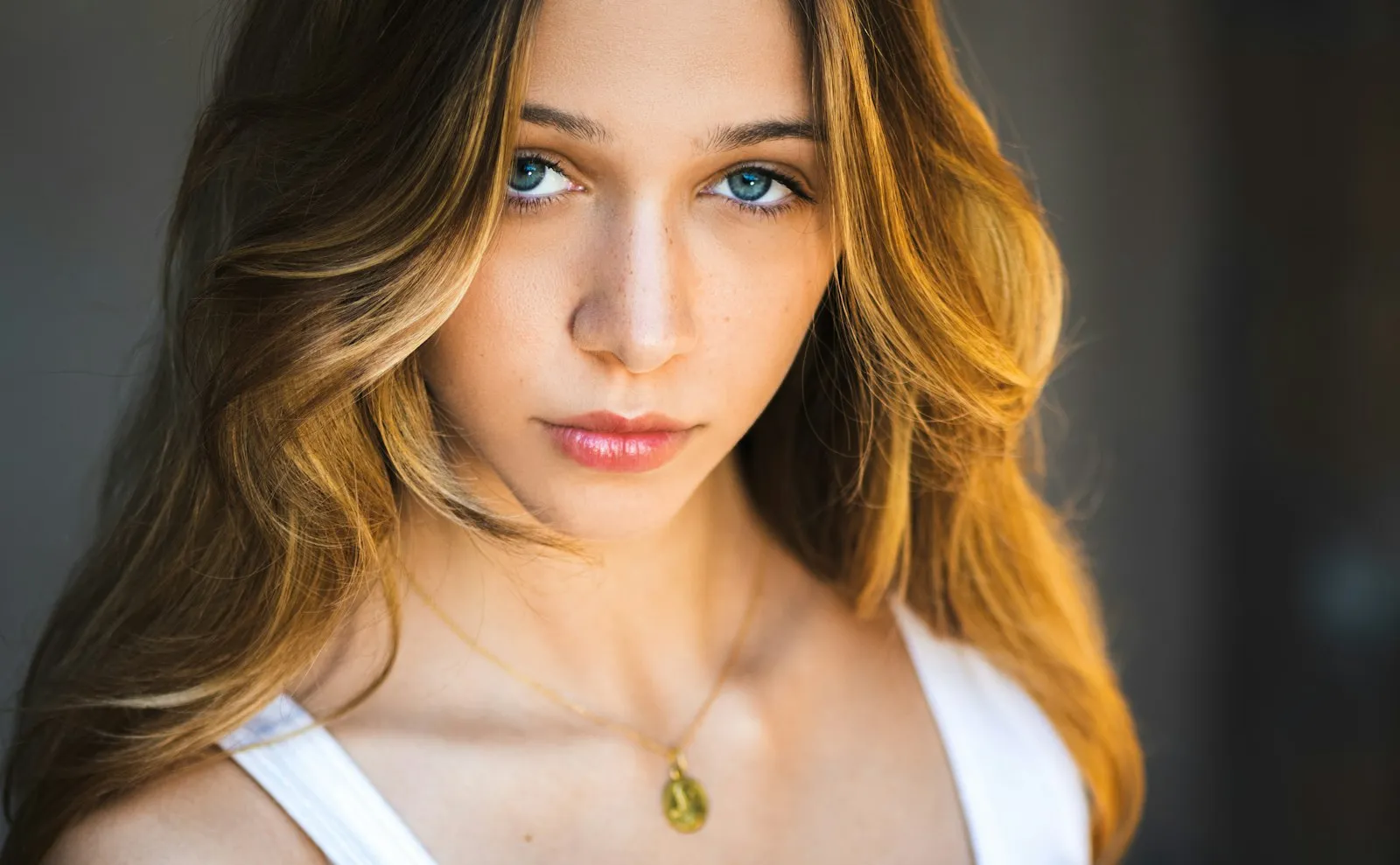
Hair sits next to your eyes all day, so it works like a fabric you never take off. You have two routes. Contrast makes the eye color stand out, and echo blends hair and eyes into one soft picture.
| Eye color | Hair that contrasts | Hair that echoes |
|---|---|---|
| Dark brown | Caramel or golden brown, if warm tones suit your skin | Dark brown, black |
| Light brown and amber | A deeper brown, for depth | Golden, caramel, copper |
| Hazel | Auburn, red-brown (for the green in it) | Golden, caramel (for the gold in it) |
| Green | Copper, auburn, red-brown | Ash or cool brown, for gray-green eyes |
| Gray and blue | Golden and copper tones | Ash and cool browns |
Red hair with green eyes is the classic high-contrast pair, because copper sits opposite green. It suits warm coloring. What if your skin is cool? Then ash and cool brown are the better match for you, and the red-family contrast can come from a berry lip or a plum scarf.


That example shows the order of the decisions. Skin comes first, because the wrong tone changes how your whole face looks, while the eye effect is a detail. So read the table inside the row your undertone gave you. The eye color chart has the clothing and eyeshadow colors that do the same job for each eye color.
Hair color for your face shape
Face shape doesn’t choose a color. It helps decide where the lighter and deeper pieces go.
The logic is the one makeup contour uses. Light draws the eye and makes an area look wider, and depth lets it recede. Colorists apply it to hair as lighter pieces, lowlights and the placement of a balayage. It’s a stylist’s convention, we haven’t seen it tested, and its effect is smaller than the effect of the cut. If you don’t know your shape, the Face Shape Calculator ranks it from four measurements.
| Face shape | Lighter | Deeper | Why |
|---|---|---|---|
| Oval | Wherever you like | Nowhere in particular | There’s nothing to balance, so placement is free |
| Round | At the crown and in the lengths below the chin | The sides, at cheek level | Light above and below adds length, and depth beside the cheeks keeps the width quiet |
| Square | Around the cheekbones and through the top, softly blended | Near the jaw corners | Brightness at jaw level underlines the jaw the way a blunt hem does |
| Heart | From the jaw down, in the ends | At the temples | It adds width at the jaw, where a heart face is narrow |
| Diamond | At the temples and in the ends near the jaw | Beside the cheekbones | It fills the narrow forehead and jaw and passes the cheekbones quietly |
| Oblong | At the sides, from cheekbone to jaw | At the crown and in very long ends | Width in the middle balances length, and long light lines would add to it |
| Triangle | At the temples and through the top | Along the jaw | It widens a narrow forehead |
Watch the lines as well. A hard edge of color, such as a grown-out root line or a sharp dip-dye, is a horizontal line across your face or neck, and it behaves like the hem of a haircut. On a round face you’d keep it away from cheek level, and on a square face away from the jaw. A soft, blended transition has no line to place, so it’s the easier choice on every shape.
The cut still does most of the work. Each shape has its own guide, and all seven are compared in what suits your face shape.
Skin, eyes and face together
Take the four decisions in this order, because each one narrows the next.
- Tone, from your undertone. Cool, warm, neutral or olive gives you a row of tones.
- Level, from your contrast. Start within two levels of your natural color.
- Accent, from your eyes. Inside your row, lean toward the shade that contrasts with your eye color or the one that echoes it.
- Placement, from your face shape. Decide where the lighter pieces sit.
Here is how the first three combine for six common starting points. Every entry comes from the tables above.
| Skin | Eyes | Shades to try first | Handle with care |
|---|---|---|---|
| Fair, cool | Blue or gray | Ash blonde, beige blonde, ash brown | Golden and copper tones |
| Fair, warm | Green or hazel | Copper, strawberry blonde, golden blonde | Ash, icy platinum |
| Medium, neutral | Hazel | Soft brown, mushroom brown, soft caramel pieces | Icy platinum, jet black |
| Medium, olive | Dark brown | Soft brown, chocolate, muted caramel | Very ashy shades, yellow blonde |
| Deep, warm | Dark brown | Golden brown, caramel pieces, auburn | Ash, blue-black |
| Deep, cool | Dark brown or black | Cool dark brown, blue-black, cool burgundy | Orange-caramel, copper |
If your color season is already settled, it gives the same answer by another route, since a season is built from the same skin, hair and eyes. Hair shades for all twelve are under hair color by season. And if a color you already have isn’t working, the wash-out table matches what you see in the mirror to its likely cause.
Changing your color: level first, tone second
Thinking about dye? The chart tells you how big a change you’re asking for.
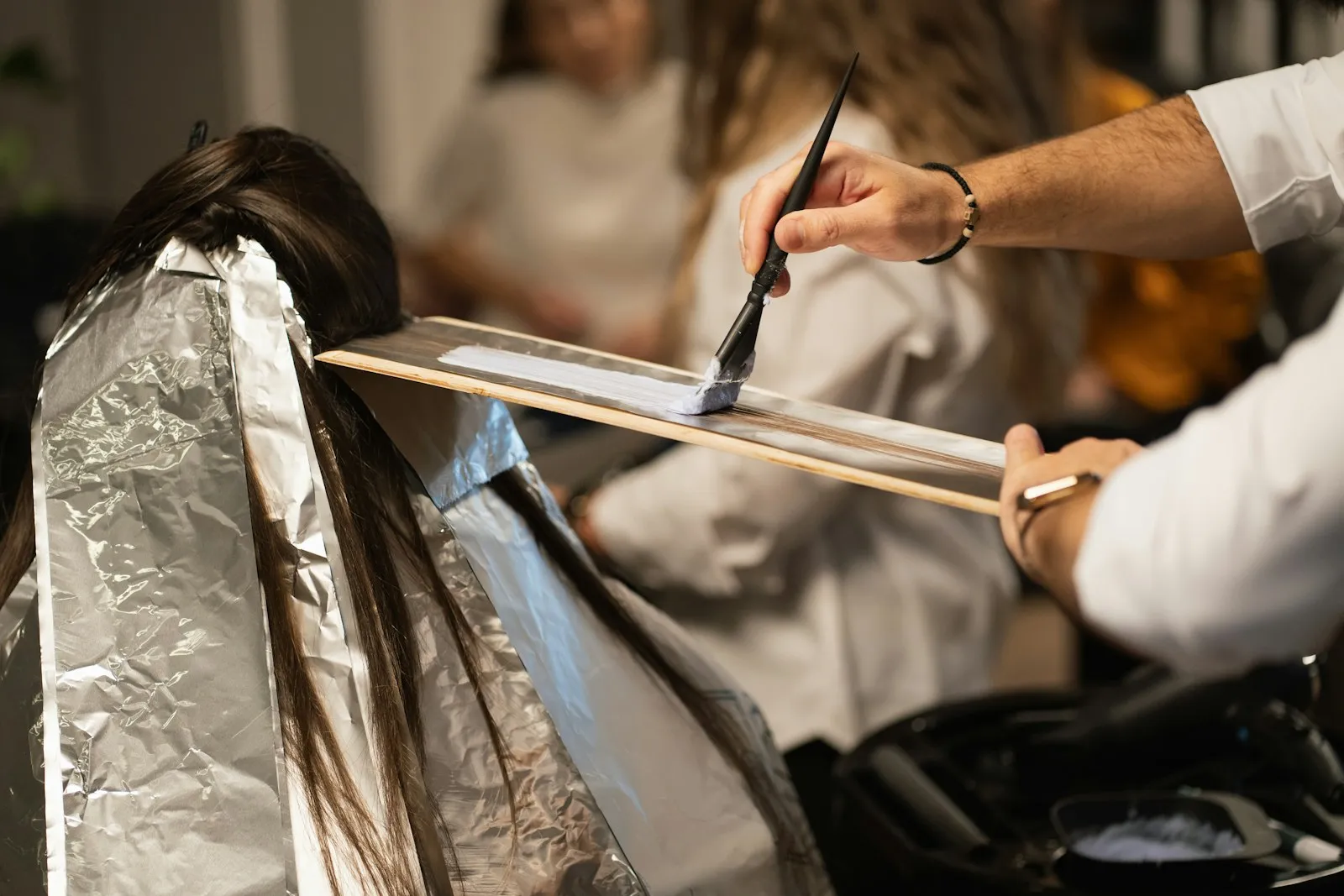
Count the levels between your natural color and the one you want. A common rule of thumb among colorists is that a change within two levels grows out softly, while anything bigger means more work and more upkeep. The further apart the two numbers are, the sharper the line at the roots a few weeks later.

Going lighter also changes the tone, whether you want it to or not. As hair lifts, its own warm pigment shows through, red at the darker levels, then orange, then yellow. That’s why dark hair lightened without a toner turns brassy, and why an ash blonde needs toning to stay ash.
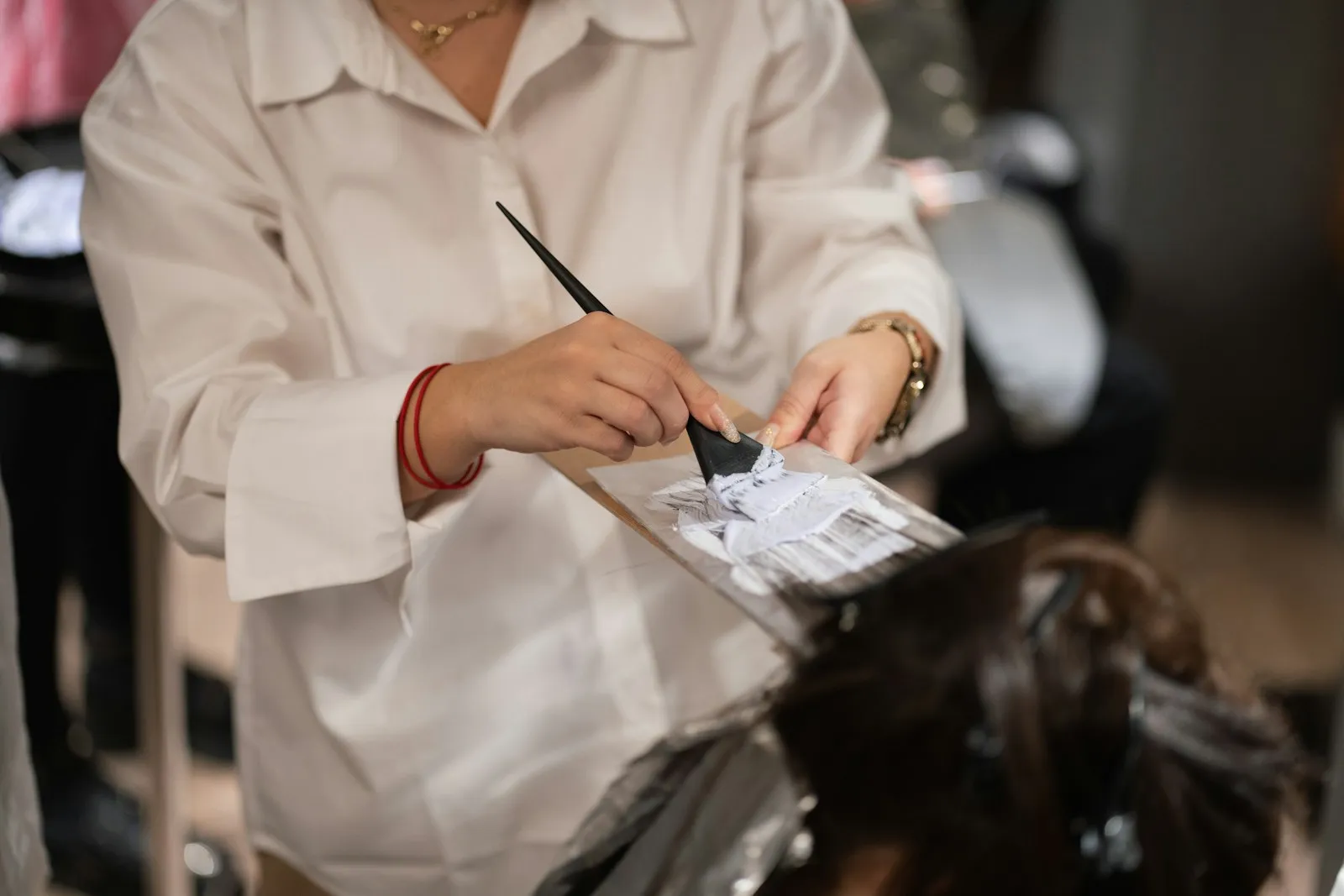
On a box or in a salon formula, tone follows the level as a letter or a number, so you’ll see 6N, 6A and 6G, or 6.1 and 6.3. The letters are usually easy to guess (N for neutral, A for ash, G for gold). The decimals are harder, because each brand keeps its own key, so read the legend on that brand’s chart before you trust a code.
At the salon, I’d let the two-word version do the talking. Tell your colorist four things: your natural level and the one you want, the tone you want and the one you don’t, how much contrast to keep, and how much upkeep you’ll do. “I’m a level 5 neutral and I’d like a level 7 beige, no gold” is clearer than a photo of someone else’s hair, taken in different light on a different base. What dye does to a color season is covered under dyed hair.
Hair color names, decoded
Names such as chestnut and honey come from salons, magazines and box dye. None of them is official, and two brands can use the same name for different shades. Translated into level and tone, they look like this.
- Espresso
- Chocolate
- Chestnut
- Golden brown
- Mushroom brown
- Light ash brown
- Dark blonde
- Ash blonde
- Honey blonde
- Golden blonde
- Strawberry blonde
- Platinum
- Auburn
- Copper
- Ginger
- Strawberry blonde
| Name | Level | Tone |
|---|---|---|
| Espresso | 2 to 3 | Neutral to cool |
| Chocolate | 3 to 4 | Neutral, slightly warm |
| Chestnut | 4 to 5 | Warm, with a red-brown cast |
| Mushroom brown | 5 | Ash |
| Caramel | 5 to 6 | Golden; usually a highlight shade over brown |
| Dark blonde | 6 | Any; called dishwater when it’s ash |
| Ash blonde | 7 to 9 | Ash |
| Honey blonde | 7 to 8 | Golden |
| Strawberry blonde | 8 to 9 | Copper; a light red as much as a blonde |
| Platinum | 10 | Ash to neutral |
| Auburn | 3 to 5 | Red, deep |
| Copper | 5 to 7 | Red, bright |
Brunette simply means brown-haired, at any level from 2 to 5. Burgundy, cherry and violet-red are dye, and you won’t find them at anyone’s roots.
Natural hair colors
Natural hair colors come in five families: black, brown, blonde, red, and gray or white. Two pigments produce all of them. MedlinePlus Genetics, the genetics reference of the U.S. National Library of Medicine, describes it this way: an abundance of eumelanin gives black or brown hair, and an abundance of pheomelanin gives red hair.
| Hair color | Pigment, as MedlinePlus Genetics lists it |
|---|---|
| Black | A large amount of eumelanin |
| Brown | A moderate amount of eumelanin |
| Blonde | Very little eumelanin |
| Red | Mostly pheomelanin, with a little eumelanin |
Set that table beside the chart and eumelanin turns out to be the level dial. The more of it there is, the lower the number. The same source estimates that more than 90 percent of people in the world have brown or black hair.
Your natural color also moves over a lifetime. MedlinePlus Genetics notes that light hair may darken as people grow older, particularly in people of European descent, and that almost everyone’s hair begins to turn gray with age. Gray and white are what remains when the pigment goes, and what reads as gray from across a room is usually white strands mixed in with colored ones.
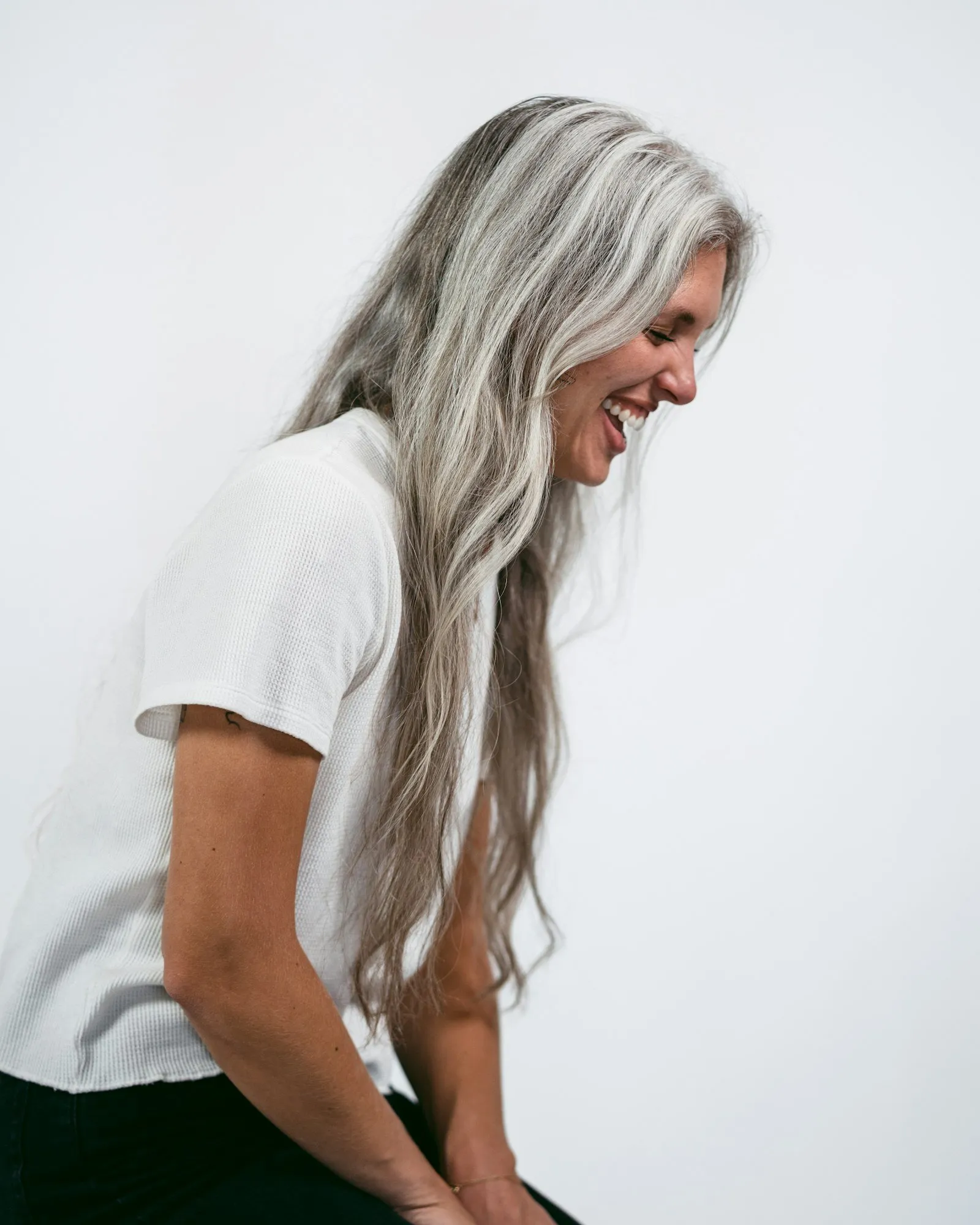
Going gray leaves your undertone where it was and usually lowers your contrast, so the tone advice above still holds and the level advice shifts lighter. Dressing for it is covered under gray hair.