The Style Quiz turns nine answers into points for eight style personalities, places you on a map from structured to fluid and from quiet to expressive, and picks three words to dress by. Style personalities and essences are vocabularies for taste, not measurements, so treat the result as words to test against your own closet, not a verdict.
How the quiz scores you
The nine questions run in this order: the outfit you actually put on on a free Saturday, the outfit you keep saving but rarely buy, the colors you would fill a closet with, the fabric that makes you stop, the shoes you would wear most, the shape of the clothes you wear most, how you want to feel once dressed, your everyday accessories and the print you reach for. The first five are pictures or swatches; the last four are short lists.
A picture or swatch answer gives 2 points to one style. A list answer gives 2 points to one style and often 1 point to a neighbor: “Relaxed: easy fits, nothing tight” counts for Relaxed and a little for Boho, and “Taken seriously” counts for Classic plus a point each for Minimal and Edgy. Each question’s points are then multiplied by its weight: the Saturday outfit counts one and a half times, the saved outfit one and a quarter times and every other question once, because what you wear and what you want say more than a single shoe.
Your style is the personality with the most points. If the runner-up reaches at least 60 percent of the leader’s points, the result names it as a streak; otherwise it reads “clear and consistent”. You can skip any question you cannot answer honestly, but the quiz needs six answers before it shows a result.
Here is one full set of answers, scored the way the quiz scores them:
| Question (weight) | Answer | Points |
|---|---|---|
| Saturday outfit (1.5) | Hoodie, wide jeans, sneakers | Relaxed 3 |
| Saved outfit (1.25) | Camel blazer, silk blouse | Classic 2.5 |
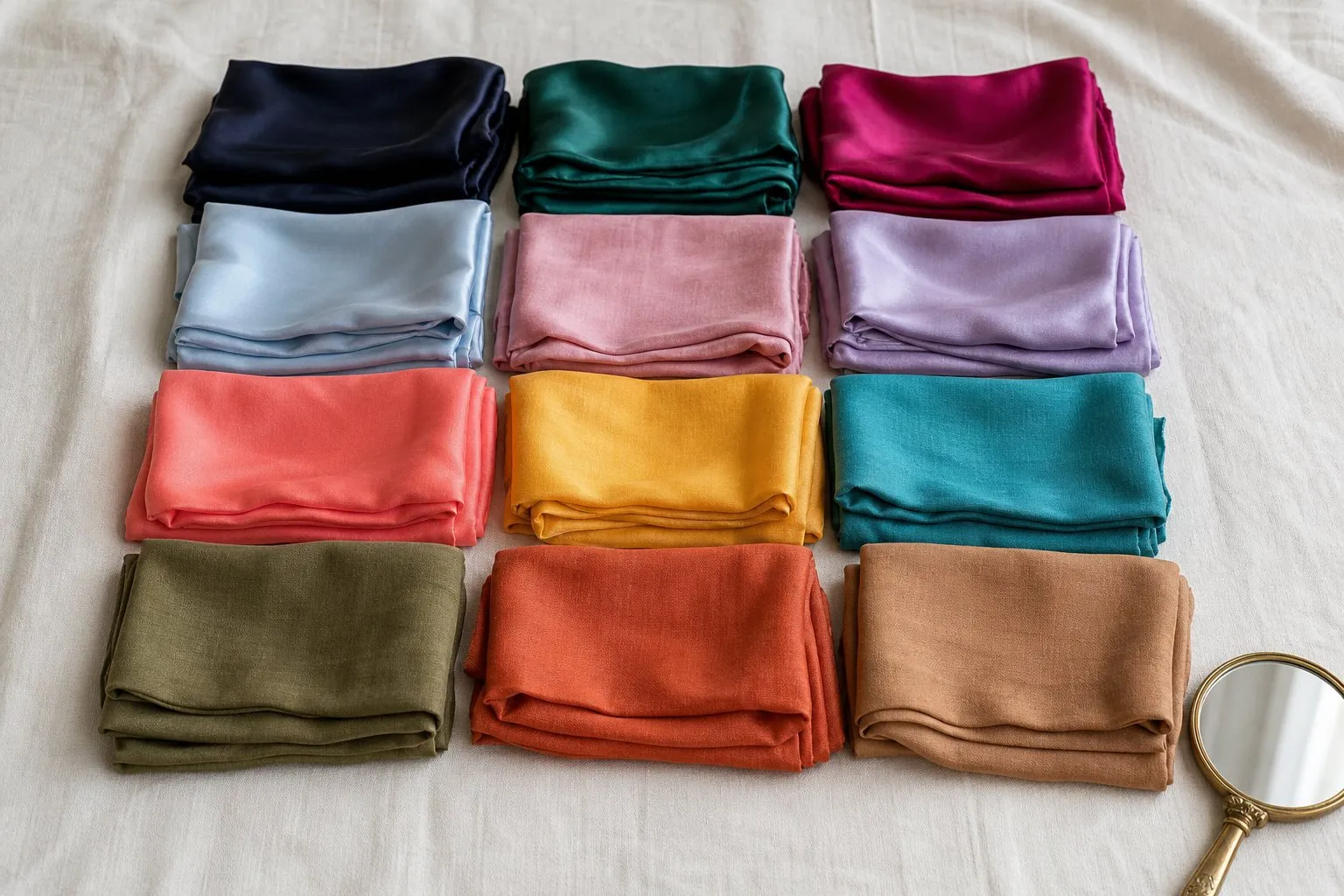
| Colors (1) | Ivory, black, charcoal | Minimal 2 |
| Fabric (1) | Soft jersey and denim | Relaxed 2 |
| Shoes (1) | White canvas sneakers | Relaxed 2 |
| Shape (1) | Relaxed: easy fits, nothing tight | Relaxed 2, Boho 1 |
| Feel (1) | Calm and put together | Classic 2, Minimal 1 |
| Accessories (1) | A good watch and small studs | Classic 2 |
| Prints (1) | None at all | Minimal 2, Relaxed 1 |
Relaxed ends with 10 points, Classic 6.5, Minimal 5 and Boho 1. Classic needs 6 to count as a streak, so the result is Relaxed with a classic streak.
The style map and your three words
The map places the eight styles on two axes: how structured or fluid the clothes are, left to right, and how quiet or expressive, bottom to top. Classic and Minimal sit on the structured, quiet side; Edgy is structured and expressive; Romantic and Boho lean fluid; Relaxed is fluid and quiet; Glam and Creative sit high on the expressive side.
Your dot is an average of the eight styles’ positions, weighted by the square of each style’s share of your points, so the leader pulls hardest and a mixed closet lands between styles. In the example above, the dot sits just left of the center line and well toward quiet: Relaxed alone would sit on the fluid side, but Classic and Minimal pull it back toward structured. The dot appears on the live map after your first answer, and the quiz names the style you are leaning toward once you have answered two.
The three words come from three answers. The practical word is the one attached to the shape you wear most. The aspirational word belongs to the style of the outfit you keep saving. The emotional word is your answer to how you want to feel. Skip one of those questions and the word comes from your leading style instead. In the example, the words are Relaxed, Polished and Calm.
Every word comes from a fixed list of 24, so the words stay useful when you shop. The practical word comes from the first column, the aspirational from the second, the emotional from the third:
| Shape and line | Detail and finish | Mood |
|---|---|---|
| Tailored | Minimal | Calm |
| Relaxed | Textured | Bold |
| Fluid | Polished | Playful |
| Structured | Worn-in | Romantic |
| Oversized | Crisp | Serious |
| Streamlined | Delicate | Warm |
| Sporty | Graphic | Cool |
| Layered | Rich | Quiet |
Two of them, Sporty and Crisp, never come out of the quiz; they are on the list for you to pick by hand.
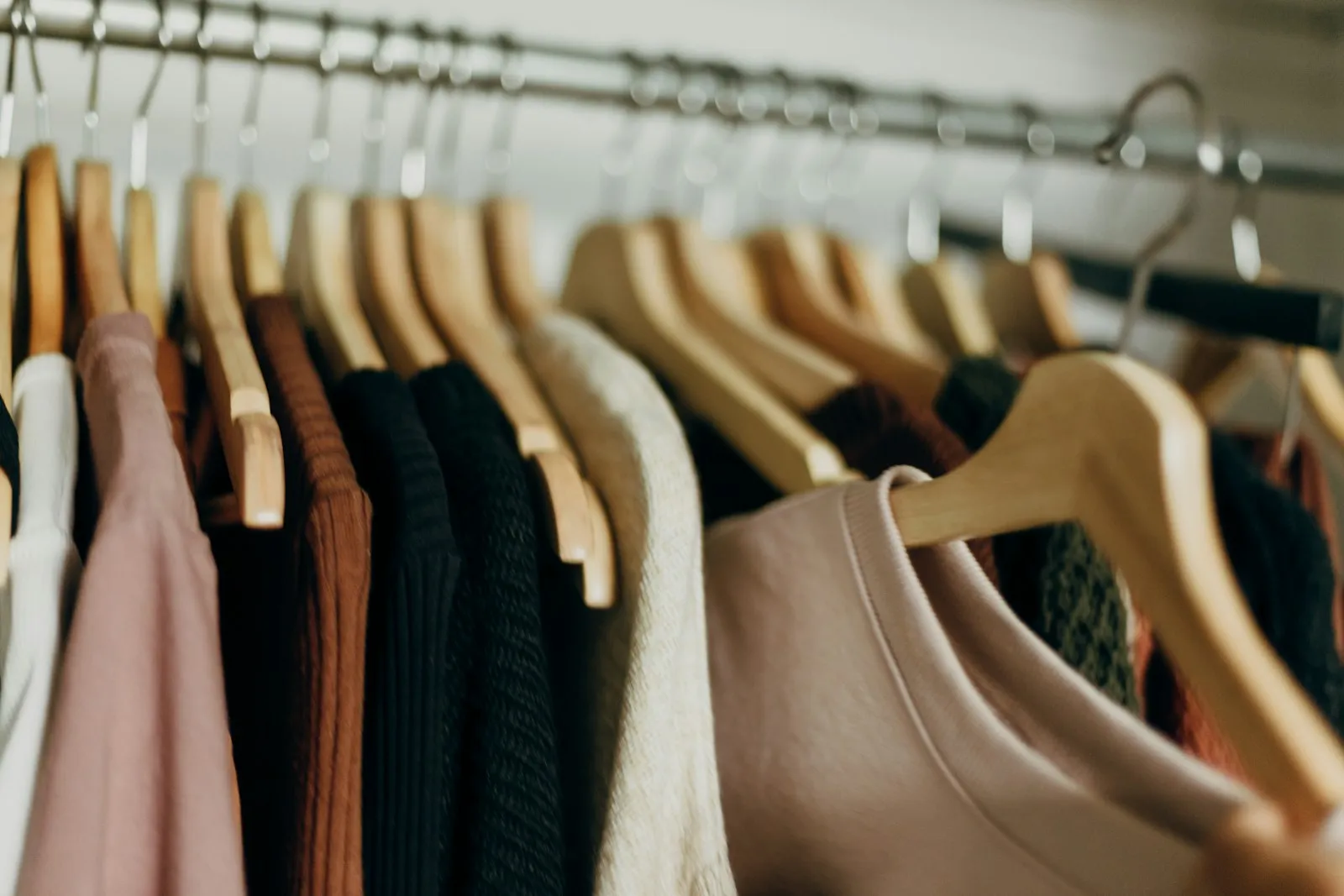
The eight style personalities
| Style | In short | Words to start from |
|---|---|---|
| Classic | Tailored and quietly polished, in pieces that last | Tailored, Polished, Calm |
| Minimal | Clean lines, few colors and nothing extra | Streamlined, Minimal, Quiet |
| Romantic | Soft, fluid and a little delicate | Fluid, Delicate, Romantic |
| Boho | Relaxed, layered and earthy | Layered, Textured, Warm |
| Edgy | Sharp, dark and a little defiant | Oversized, Graphic, Cool |
| Relaxed | Easy, comfortable and practical | Relaxed, Worn-in, Calm |
| Glam | Polished, shiny and made to be noticed | Structured, Rich, Bold |
| Creative | Playful, eclectic and personal | Layered, Graphic, Playful |
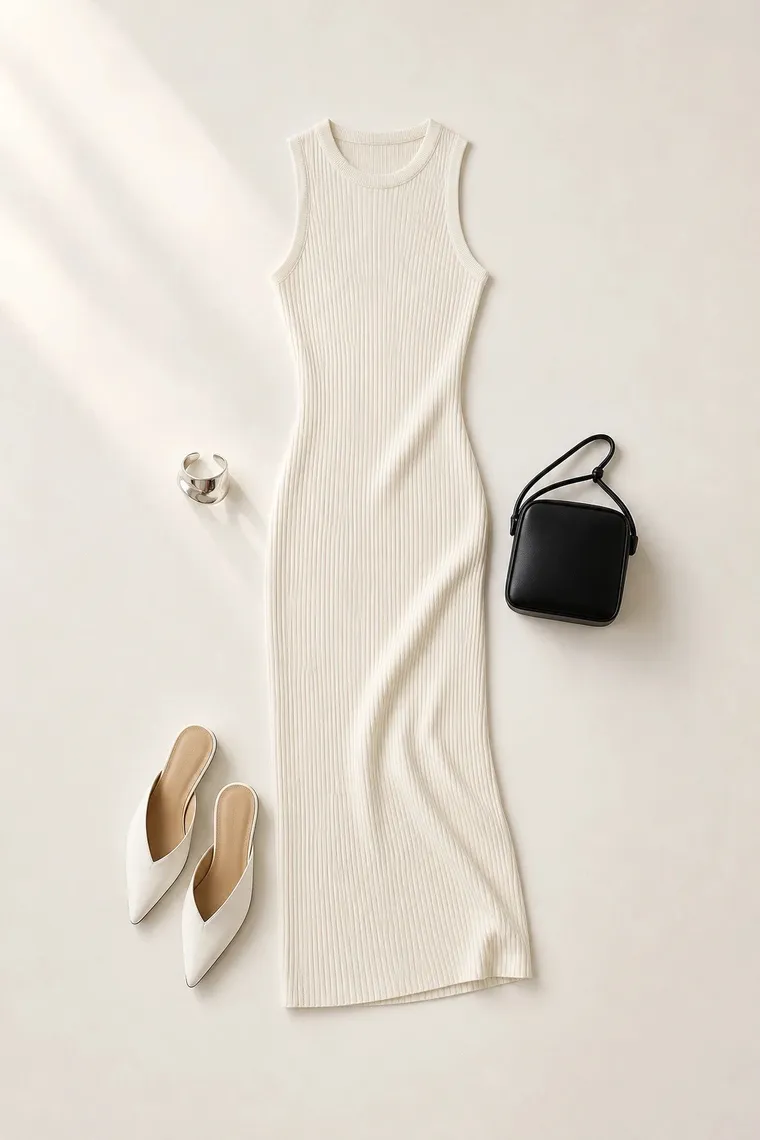
The result page adds the pieces, fabrics and six colors that carry each style, and one thing to try next.
Three words and a closet audit
The three words follow a method from stylist Allison Bornstein, who sets it out in her book Wear It Well (2023). As it is usually summarized, you choose a practical word for what you already wear, an aspirational word for what you keep admiring and an emotional word for how you want to feel. The words do not need to agree; in “Relaxed, Polished, Calm” the pull between the first two is where choices get interesting.
The quiz suggests the words; your closet checks them. Do the audit in one session, with everything out on the bed or a rail.
- Sort by wear. Three piles: worn in the last three months, worn in the last year, not worn in a year.
- Read the first pile. Look for repeats in fit, length, fabric, color and neckline. They are your practical word made visible.
- Name what went wrong with the third pile. Scratchy, wrong length, goes with nothing, bought for a life you do not have: the patterns in the reasons are your shopping rules.
- Find the gaps. Note what you keep missing, such as a jacket that goes over everything.
- Decide on the middle pile. Keep, alter or let go. A hem or a taken-in waist rescues a lot.
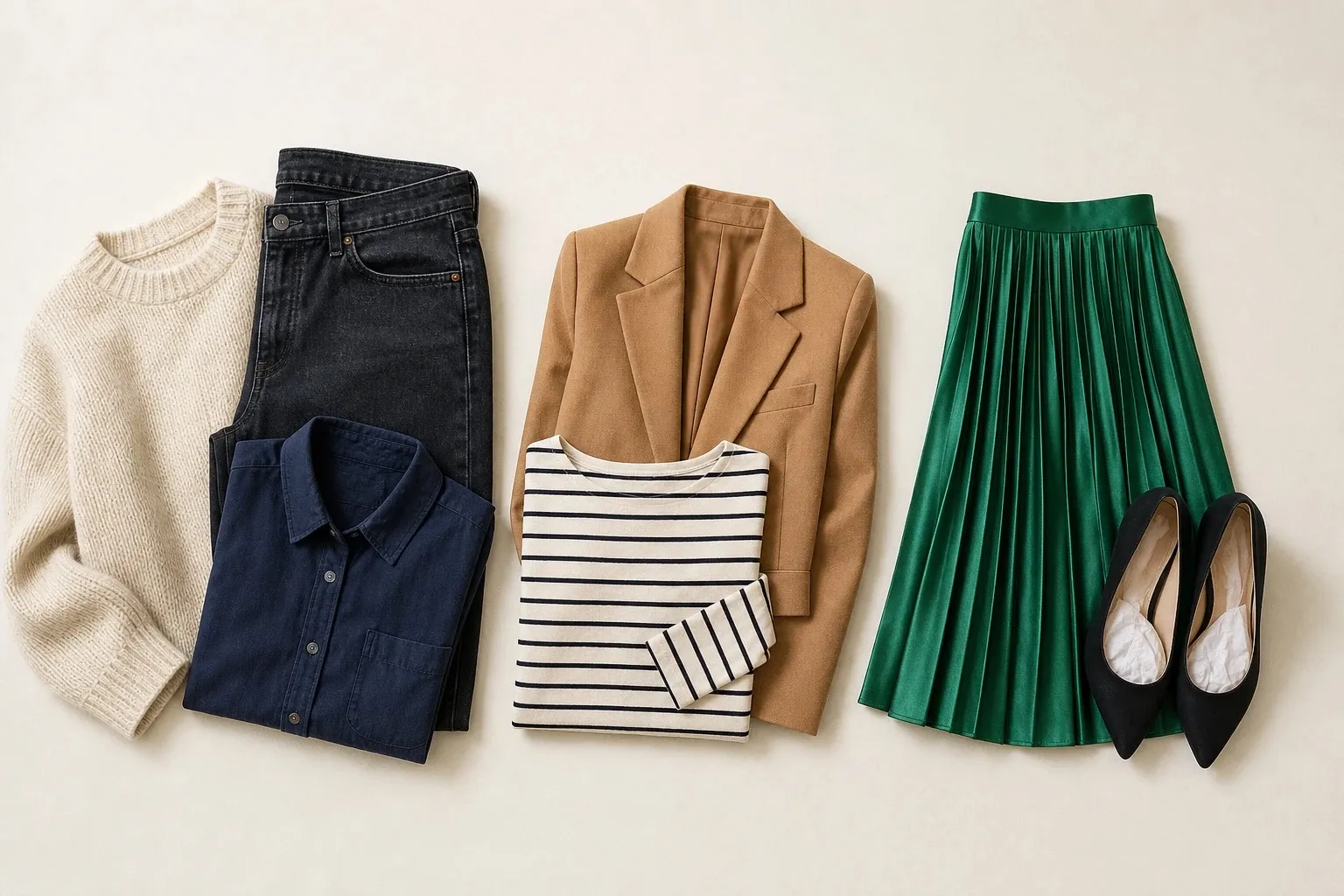
Then test the words for a month. If an outfit fits only one word, change one piece. Before buying, name the word a piece serves and three things you own that it goes with, or leave it. At the end of the month, swap any word you never used.
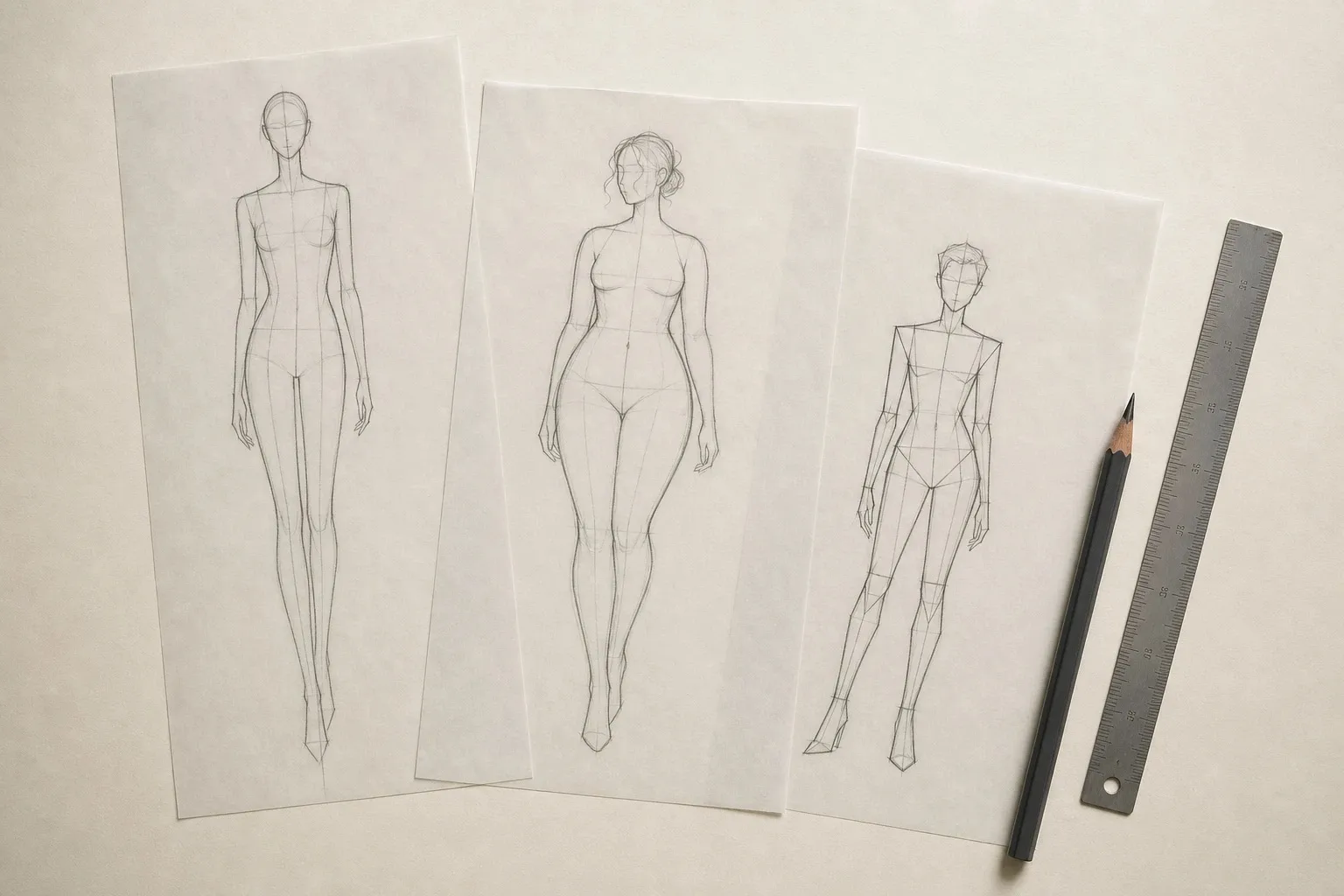
The other tools answer narrower questions and work as filters inside your words. The Color Season Quiz picks the colors worn near your face, the Body Shape Calculator shows where a waistband or hem lands on you, and the Kibbe Test reads the lines of your body. When a chart and your words disagree, trust the words for the direction and the chart for the detail: if you hate wrap dresses, the waist a chart asks for can come from a belted shirt dress instead.
Style essences and Kibbe
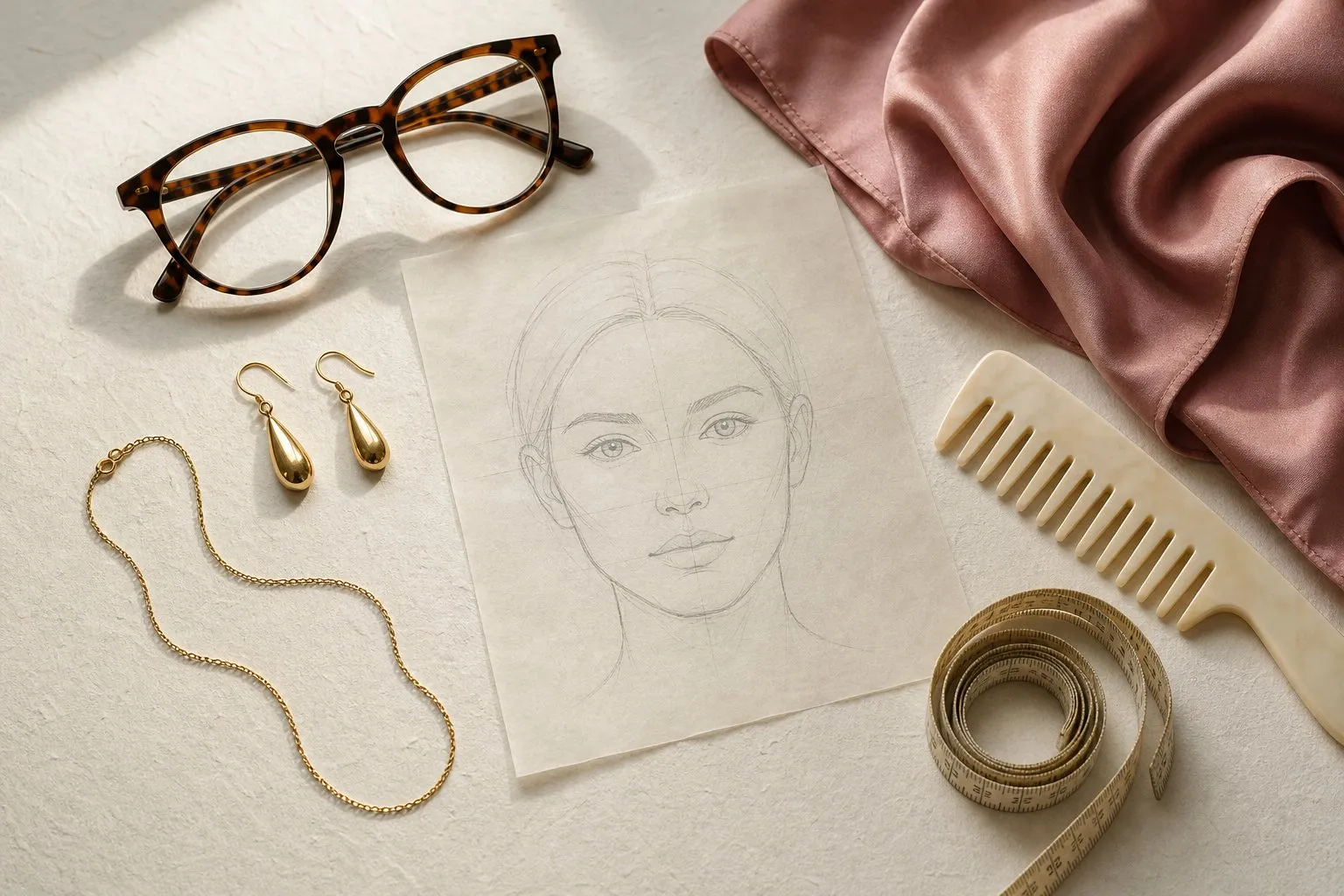
Style essences, usually credited to stylist John Kitchener, describe the impression your face gives in seven essences: Dramatic, Natural, Classic, Gamine, Romantic, Ingenue and Ethereal, also called Angelic. Dramatic, Natural and Gamine sit on the sharp, bold yang side, Romantic, Ingenue and Ethereal on the soft, curved yin side, and Classic in the middle. A reading gives a blend, usually led by two or three essences, rather than one type. We found no primary text by Kitchener himself, so this follows how the system’s readers present it.
Kibbe body types work differently again: one image identity read from your whole body line. This quiz reads neither your face nor your body but what you reach for, so the three answers do not contradict each other: a Soft Classic in Kibbe can read Romantic and Natural in essences and come out Relaxed with a classic streak here. Kibbe answers which lines suit your body, essences which mood suits your face, and the quiz what you like to wear.